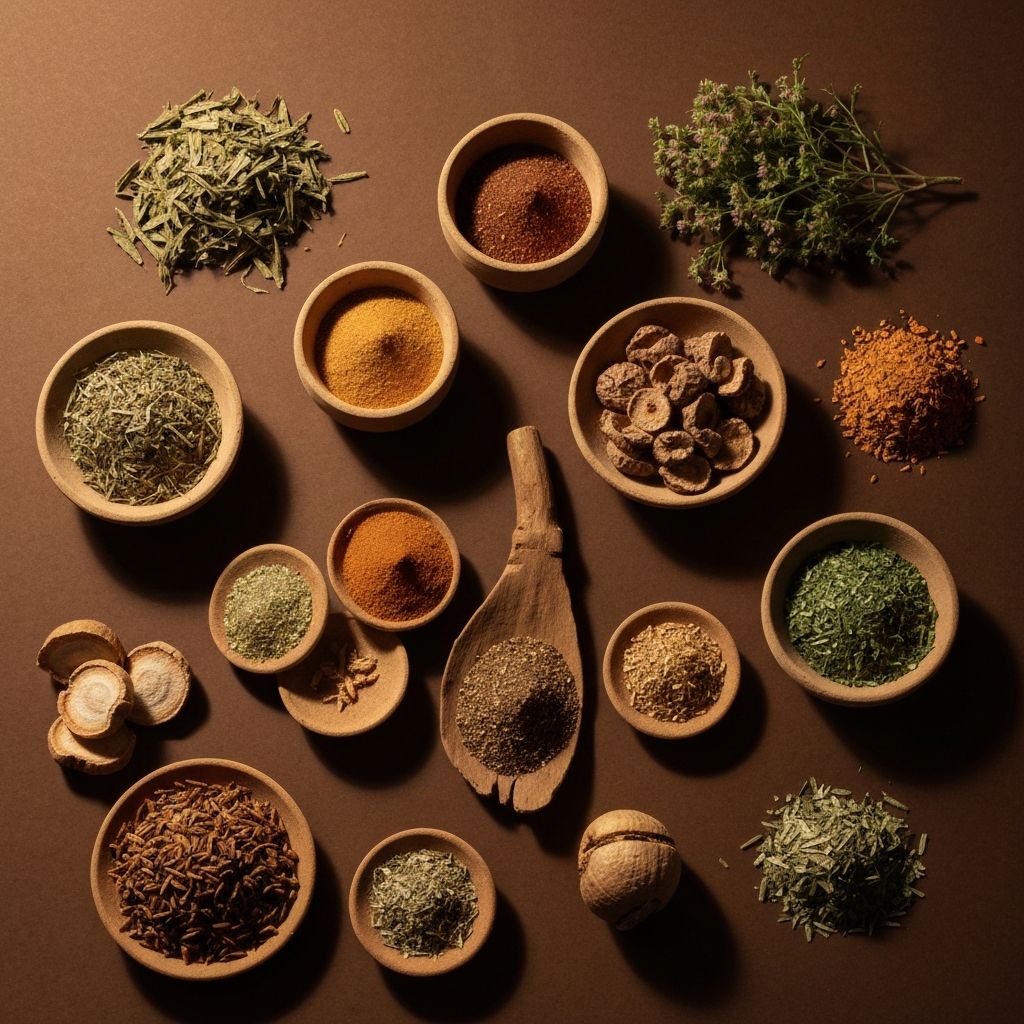
Exploring the general mechanisms through which botanical compounds interact with the body's natural processes.
Botanical compounds contain specific chemical structures that interact with the body's biochemical systems. Understanding these interactions at a general level helps explain why these materials have been valued across cultures and why modern research continues to examine them.
The body processes botanical compounds through several general mechanisms. These compounds may interact with cellular receptors, modulate enzyme activity, or influence signalling pathways involved in normal physiological processes.
Different botanical compounds work through different mechanisms. Some may act primarily on inflammatory pathways, while others might support cellular energy production or antioxidant defences.
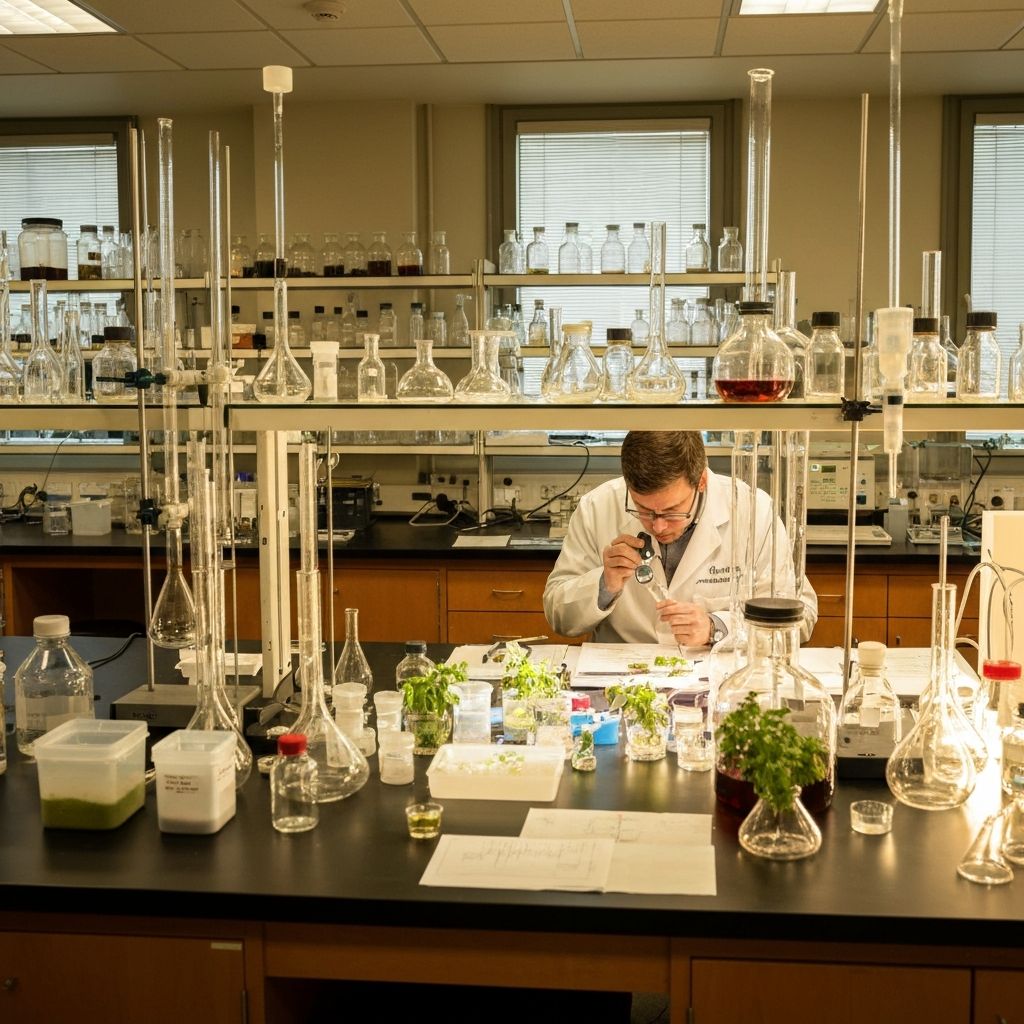
Many botanical compounds are studied for their capacity to support the body's natural inflammatory response. Rather than creating artificial suppression, these compounds may work with the body's own regulatory mechanisms.
Research examines how specific plant alkaloids, polyphenols, and other chemical classes might modulate inflammatory pathways at the molecular level.
Oxidative stress occurs naturally in the body during metabolism. Botanical compounds rich in antioxidant compounds may help neutralize free radicals, supporting cellular health and resilience.
A large class of organic compounds found in plants, including flavonoids and tannins. These compounds have been extensively studied for their antioxidant and general support properties.
Nitrogen-containing compounds that often have significant biological activity. Many traditional botanical medicines derive their effects from specific alkaloid compounds.
Sugar-bound compounds in plants that may be processed differently by the body than their aglycone forms, affecting bioavailability and effects.
Concentrated aromatic compounds from plants, often containing terpenes and other volatile molecules with specific physiological properties.
How well the body can absorb and utilize botanical compounds depends on several factors:
An important principle in botanical science is that compounds often work synergistically. A plant extract may be more effective than an isolated single compound because of interactions between multiple compounds.
This synergy is one reason traditional botanical preparations often use whole plant materials or specific combinations rather than isolated compounds. Research increasingly explores how different compounds within a plant work together to produce broader effects.
The complete botanical contains numerous compounds that may work together. Isolation of single compounds may lose these synergistic benefits.
Traditional herbal formulas combine multiple plants based on principles developed over centuries, potentially leveraging synergistic interactions.
Modern research into botanical compound physiology uses several methodologies:
Each methodology has strengths and limitations. Research continues to evolve as technology advances and scientific understanding deepens.
Not a medicinal product. Consult a healthcare professional before use.
This article explains general physiological mechanisms for educational purposes only. It does not constitute medical advice or claims about treating, curing, or preventing any disease.